


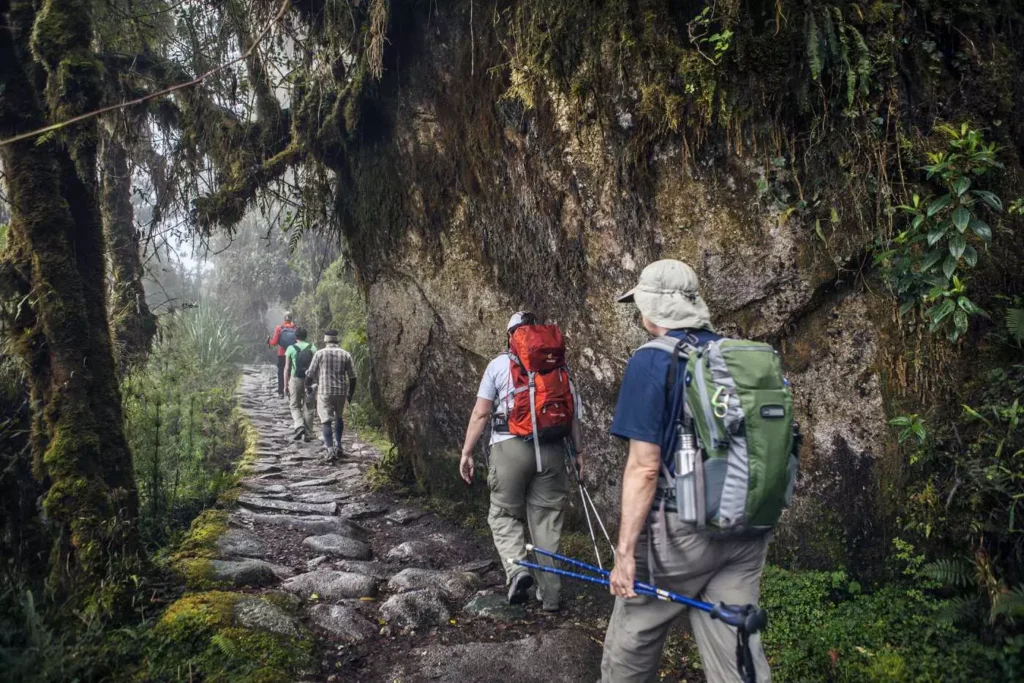
Peru is not “just another destination.” When people say they want to “travel to South America,” they often imagine that the rules are the same everywhere: booking days in advance, arriving at the museum and buying a ticket at the box office, taking the usual train. But Peru — and especially the circuit to Machu Picchu — has its own unwritten rules. Rules that no generic travel guide will tell you because, simply put, they do not exist in any other country in the world. If you arrive without knowing them, you are likely to lose days, money, and, worst of all, the experience of a lifetime. Here are seven tips that only work here.
Tip 1 — Acclimatize in Cusco before anything else
Cusco is at 3,400 meters above sea level. Your body, no matter where it comes from, needs time to adapt. Soroche or altitude sickness does not distinguish between elite athletes and sedentary individuals: it causes headaches, dizziness, sleeplessness, and can ruin the first days of your trip if you do not respect it. The local solution is as simple as it is effective: arrive in Cusco at least 48 hours before any strenuous activity, drink coca tea from the very beginning (you will find it in every hotel and restaurant), and — this is critical — no alcohol for the first 24 hours. Alcohol dehydrates and multiplies the effects of soroche. Rest, walk slowly, eat light. Cusco will thank you.
Tip 2 — Inca Trail permits must be booked 6 months in advance
No other place in the world sells out a trekking route so far in advance. The classic Inca Trail has an official quota of 500 people per day — including tourists and service staff — and those spots literally sell out within hours on the day reservations open, which is usually in October for the following season. There is no possibility of buying a ticket the day before or showing up at the door hoping for a spot. If you want to walk the original four-day route that ends at the Sun Gate with Machu Picchu in the background, the only option is to plan it at least six months in advance. No exceptions.
Tip 3 — The train to Aguas Calientes is not like any other train
To reach Aguas Calientes — the town at the foot of Machu Picchu — there is only one motorized option: the train. There is no road. There is no bus. There is no alternative. This means that prices are set by those who set them, and they vary greatly depending on the season and how far in advance you book. A ticket that may cost 50 dollars in low season can triple if you buy it just a few weeks in advance in July or August. The two main operators are PeruRail and Inca Rail, and both require online reservations weeks — ideally months — in advance. Arriving in Ollantaytambo without a purchased train ticket and hoping for availability is a gamble that rarely pays off.
Tip 4 — The bus from Aguas Calientes to Machu Picchu: wake up early or wait for hours
Once in Aguas Calientes, you still have to go up. The road to the citadel is 8 kilometers of tight curves that only an official bus — the Consettur bus — travels in about 25 minutes. The first departure is at 5:30 AM, and if you want to see the sunrise over the ruins or simply enter before the massive groups arrive, that is your time. If you sleep in and arrive at 9 AM, the line for the bus can exceed two hours. The logic here is the opposite of most tourist destinations: arriving late does not save you time, it takes it away. Book the bus in advance online and set your alarm without hesitation.
Tip 5 — Altitude and cold drain camera and phone batteries
This tip may seem technical but it can save entire trips. Early mornings on the Inca Trail hover around 0 °C or lower, and extreme cold drains lithium batteries at an alarming rate. A phone at 80% at room temperature can drop to 10% after two hours of trekking in the dark. The solution is twofold: always carry spare batteries (charged the night before at the lodge) and keep them close to your body — in an inner pocket — so that body heat keeps them active. Additionally, sudden rain is common even in the dry season, so wrap your camera and phone in hermetic plastic bags inside your backpack. It’s not paranoia; it’s accumulated experience from thousands of travelers who lost their Machu Picchu photos for not doing so.
Tip 6 — A few words in Quechua open doors that Spanish cannot
Quechua is the language of the Incas and remains the mother tongue for millions of people in the Peruvian Andes. Local guides, community members of the Inca Trail, vendors in the markets of Pisac or Chinchero do not expect a tourist to speak Quechua, but if you say “Allianchu” (hello, how are you?) or simply “Añay” (thank you), the reaction is immediate: a genuine smile, a more open conversation, fairer prices, and sometimes, an invitation to see something that is not on any itinerary. Learn five words before you arrive. They are the five words you will invest the best in any trip to Peru.
Tip 7 — Plan, but leave room for the unexpected
All of the above sounds like “plan every last detail,” and to some extent, that is true: permits, trains, and buses need to be booked months in advance. But Peru also rewards those who leave gaps in their itinerary. Unexpected strikes that close roads, low clouds that cover Machu Picchu for three consecutive days, the local festival that no one announced but turns out to be the most memorable experience of the trip: all of that happens. The best travelers who have done the Inca Trail book the essentials in advance and decide the rest — restaurants, free days, secondary excursions — on the ground. Rigid planning in Peru often breaks. Smart planning knows when to let go.